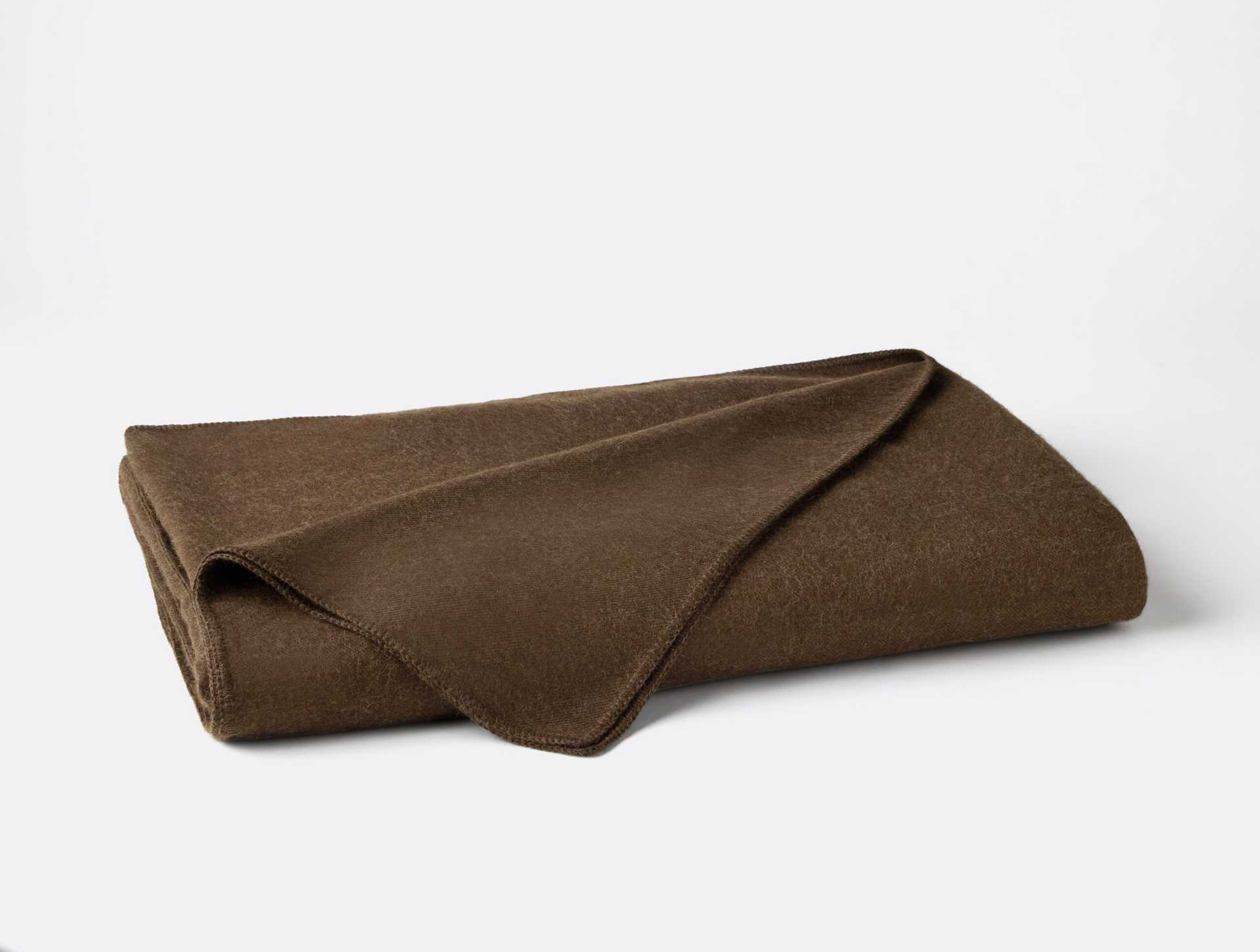
Blankets encompass a range of materials, weights, and textures designed to provide warmth, comfort, and insulation across different climates. Understanding how fabric type, weave, and fiber content influence breathability, warmth retention, and softness helps consumers select an option that complements bedding setups, layering with sheets and other textiles for year-round comfort.
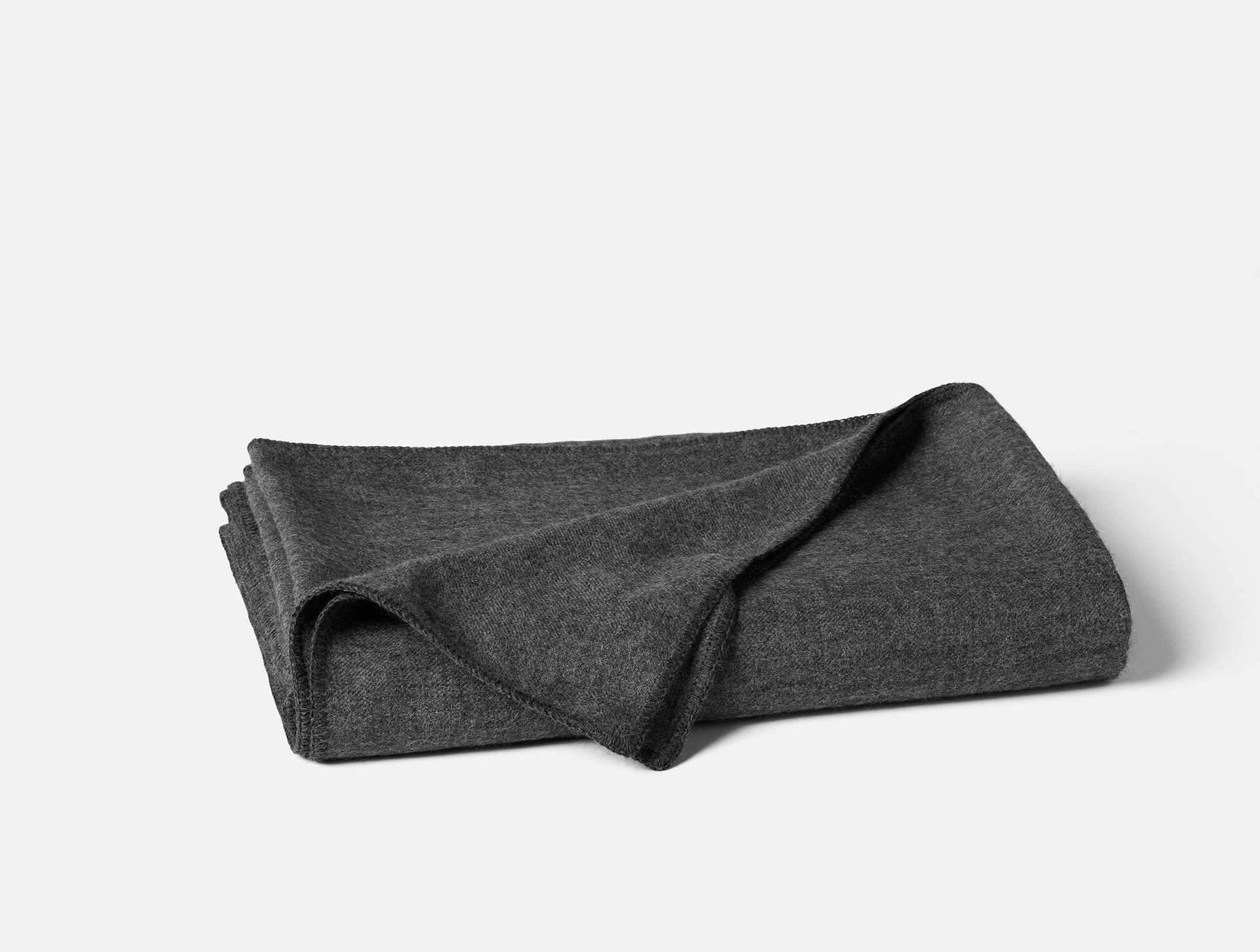
Alpaca blankets, including the Pacaya Alpaca Blanket, offer a distinct combination of warmth and lightweight thermal efficiency due to natural hollow fibers. These fibers create air pockets that trap heat while maintaining airflow, supporting a comfortable microclimate and reducing overheating compared to heavier materials such as traditional wool, cotton, or synthetic blends.
The Pacaya Alpaca Blanket features natural moisture-wicking properties and hypoallergenic qualities, which contribute to a healthier sleep environment. The fiber’s breathability minimizes perspiration, and the gentle texture reduces irritation, making it suitable for sensitive skin and for users seeking a serene bedding surface alongside organic mattresses and sheets.
From a functional perspective, alpaca blankets can act as an insulating layer during cooler seasons and a light cover in transitional weather. Their durability and fiber resilience help maintain softness after repeated washing, while reducing pilling and maintaining a smooth drape over blankets, pillows, and memory foam pillows within a bedding system.
When evaluating bedding options such as organic mattresses, sheets, memory foam pillows, and completed blanket ensembles, consider fiber origin, care requirements, and compatibility with existing sleep setups. The Pacaya Alpaca Blanket exemplifies how natural fibers can support thermal comfort, material longevity, and a balanced approach to layering for restful, neutral-toned bedding environments.
 Bedding