Why Certifications Matter in Organic Sleep Comfort
When you shop for an organic mattress, certifications are your most reliable compass. They are not mere labels; they are benchmarks that signal real material integrity, health-forward testing, and ethical manufacturing practices. In a market crowded with marketing claims, certifications help you separate products that truly minimize chemical exposure from those that merely invoke “natural” in branding.
Key standards to understand include GOTS (Global Organic Textile Standard) for organic fibers and textiles, GOLS (Global Organic Latex Standard) for latex, and broader certifications like OEKO-TEX for testing for harmful substances. A mattress or topper that holds GOTS certification for its fabric, and GOLS for any latex or natural filling, demonstrates a commitment to organic content and responsible processing. Brands like Naturepedic and Coyuchi frequently reference these standards in product sheets, making them useful reference points as you compare options.
Beyond the letters, certifications translate to real-world outcomes: better climate regulation within the bed, lower risk of skin irritations, and a sleep surface that aligns with a healthier indoor environment. Organic cotton, natural latex, wool, and alpaca wool are among the natural fillings commonly discussed, each bringing distinct feel, support, and temperature regulation to the table.
Natural Fillings: How They Influence Comfort, Durability, and Climate Control
Organic mattress shoppers often weigh several natural fillings as alternatives to conventional foam. The most common options include organic cotton, natural latex, wool, and occasionally alpaca wool. Each material has unique properties that affect warmth, breathability, and resilience over time.
- Organic cotton: A breathable, natural fiber used in covers and some padding. It helps regulate moisture and can serve as a stable, hypoallergenic base when paired with other fillings.
- Natural latex (often talalay or dunlop): Offers excellent contouring and a responsive feel with durable resilience. It tends to sleep cooler than memory foam, especially when produced with low-VOC processes.
- Wool and alpaca wool: Natural fibers renowned for temperature regulation. Wool naturally wicks moisture and generally resists mold and mildew. Alpaca wool, with its fine fibers, offers lightweight warmth and high breathability, making it a compelling choice for those seeking climate balance without bulk.
- Other natural fillings: Options like coconut coir, horsehair, or plant-based blends may appear in hybrid designs, contributing to structure and zoning with eco-conscious materials.
In practice, many organic mattresses mix several fillings to achieve the right balance of contour, support, and temperature control. For example, a cover might be organic cotton, with a comfort layer of latex or wool, and a core support system designed to minimize heat retention. If a brand emphasizes alpaca wool, you’ll encounter claims around hypoallergenic properties, moisture management, and a feather-light warmth—key selling points for sleepers who want comfort without overheating.
In the catalog this article references (drawn from a curated collection of brands like Naturepedic, Coyuchi, and Crescent Moon), you’ll find products that showcase these fillings in practical formats, including organic cotton mattress pads and comforters designed to align with organic bed systems. When evaluating a product, read the specs for fiber content, fill weight, density, and ILD (for latex), as these details directly influence the feel and longevity of the mattress experience.
Brand Comparisons: Naturepedic, Coyuchi, Crescent Moon
To ground your decision-making in real-world examples, consider three reputable players within the organic bedding space. Each brand represents a slightly different emphasis, from clinical health-forward materials to luxury textile storytelling and sustainable farming narratives.
Naturepedic
A pioneer in organic, non-toxic bedding, Naturepedic foregrounds certifications and transparent materials. Their mattresses and bedding solutions frequently optimize organic cotton covers and natural fillings, with a strong emphasis on avoiding flame retardants and synthetic additives.
What to look for: GOTS and other certifications on the fabrics, clear fill content descriptions, and third-party testing results. Naturepedic often highlights Peruvian alpaca wool or similar natural fillings in their broader product ecosystem, emphasizing sustainability and comfort.
Coyuchi
Coyuchi is known for its textile-centric approach, weaving organic standards into a broad range of bedding—from mattress pads to throws and toppers. Their emphasis on GOTS-certified fabrics and Made Safe certification resonates with readers who prioritize chemical-free sleep environments.
What to look for: Organic cotton content with GOTS certification for textiles, wool or alpaca fiber insert options in comforters or blankets, and care guidelines that extend the life of the materials.
Crescent Moon
A brand often exploring luxury blends of alpaca with other natural fibers, Crescent Moon emphasizes hypoallergenic materials and high thread counts. The focus tends to be on comfort and warmth without bulk, making alpaca blends particularly appealing for those who want a refined, breathable sleep surface.
What to look for: Fill composition (alpaca wool with wool or cotton enclosures), fabric certifications on covers, and care requirements that maintain loft without harsh chemical exposures.
Practical Buying Tips: Assess Firmness, Warranty, and Maintenance
A truly organic mattress should balance comfort with health considerations and durability. Here are practical steps to guide your selection process:
- Firmness and sleeping position: Side sleepers often prefer a slightly softer surface to cushion shoulders and hips, while back and stomach sleepers may benefit from a firmer support core. In organic designs, this translates to varying combinations of comfort layers and support cores that maintain structure over time.
- Certification checks: Confirm GOTS and GOLS presence for fibers and latexes, respectively. Look for Made Safe certifications on textiles and independent lab test results for chemical exposure, especially if you have sensitivities.
- Material longevity: Latex and high-quality natural fibers can outlast cheaper foams, but they may require more mindful care. Alpaca wool, if used, typically retains loft well with proper care.
- Warranty and returns: A robust warranty signals confidence in durability. Pay attention to coverage for compression, sagging thresholds, and replacement terms for defective materials.
- Maintenance routines: Organic bedding often benefits from gentle care—airing out, spot cleaning for pads, and following manufacturer care instructions for wool and alpaca materials to preserve loft and texture.
As you compare models, also consider the compatibility with added layers such as a premium Organic Cotton Mattress Pad (as featured in our product list). This product, with its original and eco-certified construction, demonstrates how organic layers can shield and extend the life of the underlying mattress while offering a breathable sleep surface.
Three Key Figures Across Time: Sleep Wisdom Through the Ages
Hippocrates (c. 460–370 BCE)
Long before modern sleep science, Hippocrates emphasized the body’s balance and the healing power of rest. Early sleep hygiene ideas—regular sleep times, quiet environments, and natural materials in the home—laid groundwork for later emphasis on comfortable, non-toxic sleep surfaces. In the context of organic bedding, his spirit echoes in the move toward natural fibers and breathable textures that support restorative sleep.
Florence Nightingale (1820–1910)
A pioneer of modern hospital design and sanitation, Nightingale’s emphasis on clean air, climate control, and hygienic environments resonates with today’s organic bedding movement. Her legacy prompts us to consider not just the mattress but the entire sleep ecosystem—cover materials, moisture regulation, and non-toxic textiles that support a healthier night’s rest.
A modern environmentalist and scientist, Goodall’s advocacy for sustainable ecosystems mirrors the ethical sourcing mindset behind organic bedding. Her work encourages responsible material choices, transparent supply chains, and respect for animal welfare and habitats—principles that align with alpaca fiber sourcing and organic cotton practices in contemporary sleep products.
Explore Our Picks: Featured Organic Mattress Pad
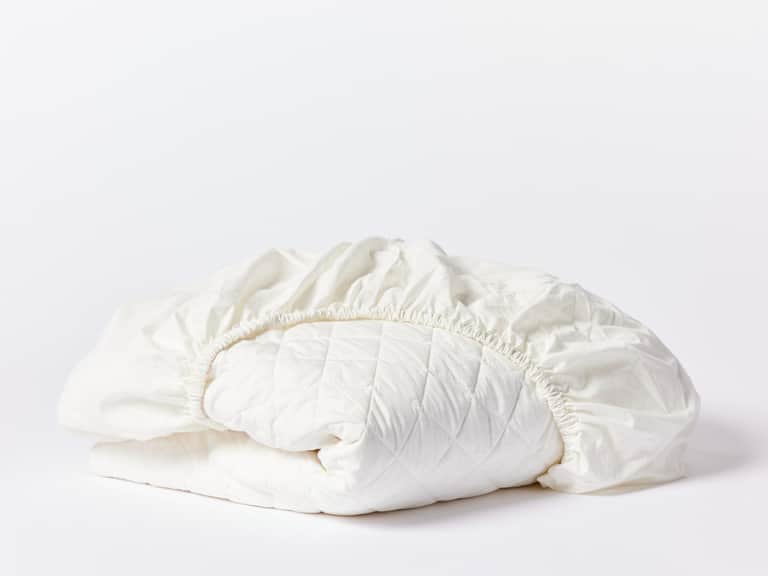
Organic Cotton Mattress Pad
Premium organic cotton mattress pad with 2-inch quilted squares and 15-inch deep pockets; certified to GOTS and Made Safe standards. Breathable softness and a secure, easy-fit underside protect your mattress while extending its life.
Brand: Coyuchi
Price: $198.00
View Product
Note: This pad is representative of how organic materials can be paired with certification labels to deliver a sleep surface that respects health, environment, and everyday practicality. It also frames the broader conversation about organic bedding in the alpacamattress.com ecosystem.