Bedding Guide
What to Know Before Choosing the Naturepedic Wooly Topper
A mattress topper can refresh the feel of a bed without changing the mattress underneath. If you’re considering the Naturepedic Wooly Topper, the key questions are practical ones: what kind of comfort are you hoping to add, how does a natural-fiber layer fit with your mattress, and are its care requirements right for your routine?
Published October 26, 2026
There’s a particular kind of frustration that comes with a bed that is almost comfortable. The mattress is still in good condition, but the surface feels a little too firm, sleep runs warmer than you’d like, or the bed simply lacks that soft, finished feel you were hoping for. A topper can be an appealing middle ground: it adds a layer between you and the mattress, without the expense and upheaval of replacing the whole bed.
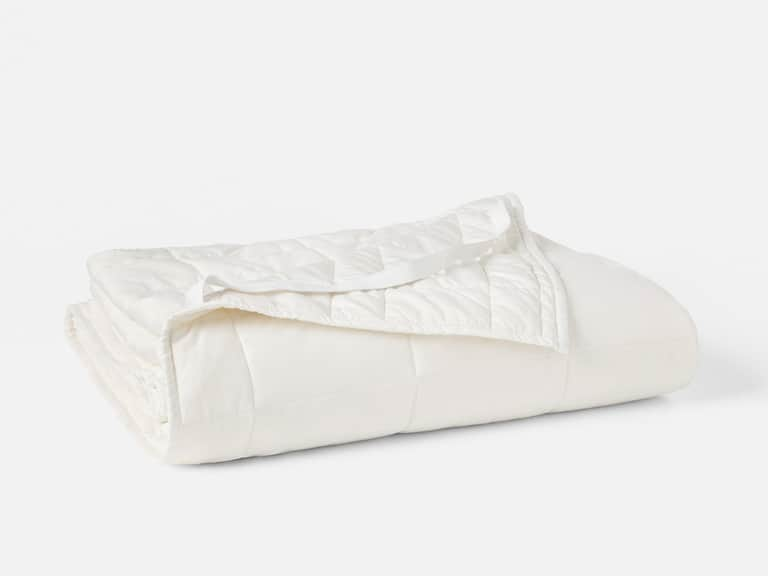
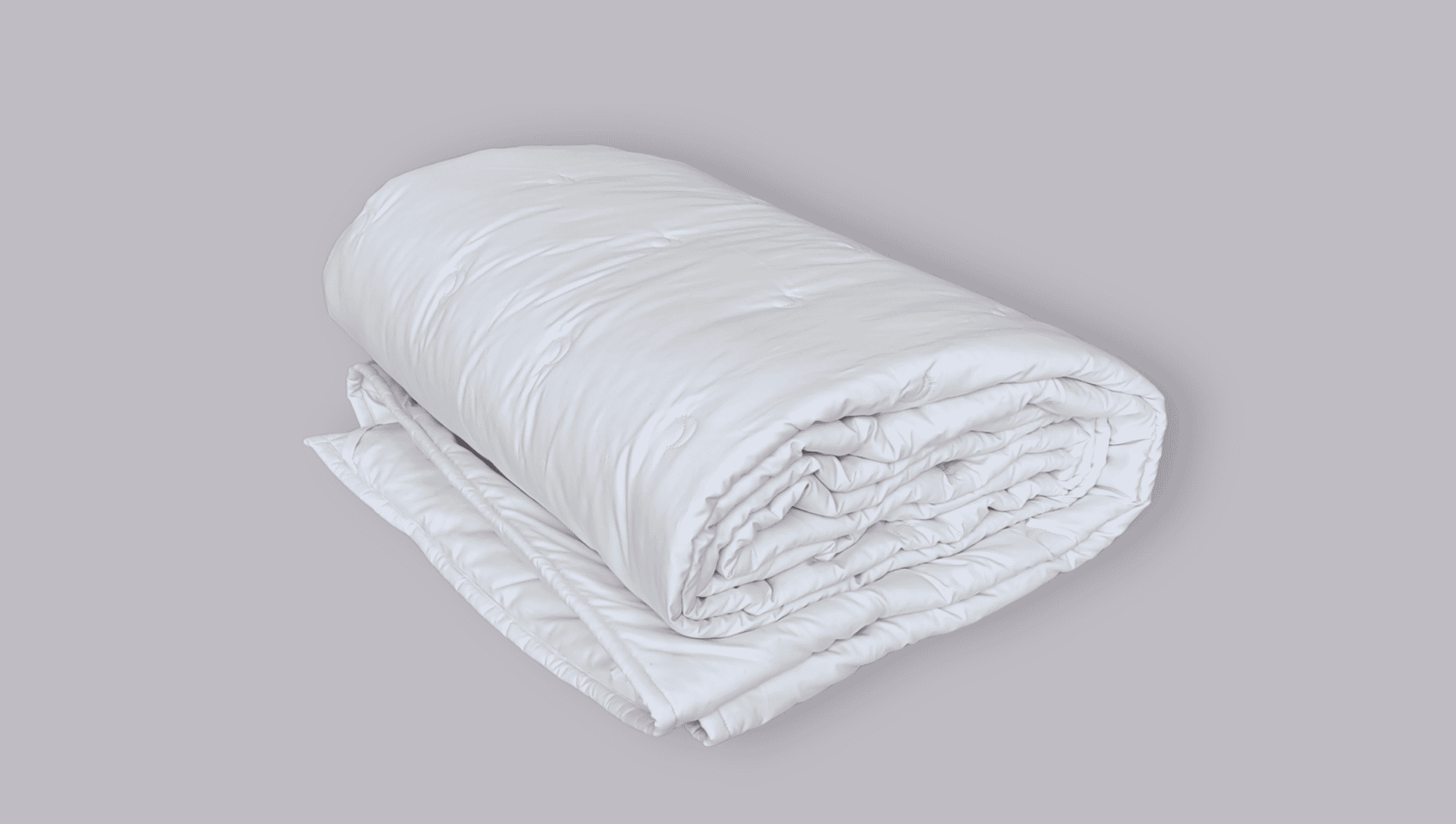
The Naturepedic Wooly Topper belongs to a category that draws attention from people interested in natural bedding and wool-filled sleep layers. Wool can bring a distinct feel and care profile compared with foam or synthetic-fiber toppers. But a material’s reputation is only part of the story. Your mattress, preferred sleeping position, room temperature, and tolerance for upkeep all influence whether a topper will feel like a welcome upgrade or an unnecessary extra layer.
Before choosing one, look beyond the product name. Confirm the current specifications, including fill, shell, construction, thickness, dimensions, attachment method, care instructions, and return terms. Those details help turn a promising idea into a decision grounded in how you actually sleep.
First, be clear about what you want a topper to change
A topper can adjust the surface experience of a bed, but it does not replace the mattress’s underlying support system. That distinction matters. If your mattress is generally supportive and you want a softer, more cushioned first impression, a topper may help. If the mattress sags, has a pronounced dip, or no longer keeps your body comfortably supported, a topper is unlikely to solve the root problem.
Think of the mattress as the foundation and the topper as a finishing layer. A finishing layer can soften the initial contact, add some cushioning, or change how the surface interacts with body heat and moisture. It cannot reliably rebuild a worn-out core or correct a support problem that extends through the mattress itself.
Before shopping, describe the issue as specifically as possible. “My bed is uncomfortable” is a starting point, not a diagnosis. Try to determine whether you want more softness at the shoulders, a less hard surface at the hips, a different temperature feel, or simply a more substantial layer between your body and the mattress. The more clearly you define the goal, the easier it is to judge whether a wool mattress topper is a plausible match.
- For a surface that feels too firm: look for information about thickness, loft, and how the topper is designed to cushion pressure.
- For a bed that sleeps warm: investigate the full construction, including both the fill and the fabric cover. No material can guarantee a cool night for every sleeper.
- For a mattress that is worn or sagging: assess the mattress itself first. A topper may disguise a problem temporarily without restoring dependable support.
- For a natural-fiber preference: check the exact materials and any certification or sourcing statements rather than relying on broad marketing language.
What a wool layer may—and may not—feel like
Wool is often chosen for bedding because it can provide warmth without necessarily feeling as dense as some conventional fills. Its experience depends on how the fibers are processed, how much fill is used, the way the topper is stitched, and what fabric surrounds it. A loosely filled, softly quilted layer may feel very different from a compact, firmly constructed one, even if both feature wool.
That is why it’s helpful to separate material properties from finished-product performance. Wool is commonly valued for its ability to interact with moisture and changing temperatures, but that does not mean every wool-filled topper will feel cool, dry, or perfectly comfortable to every person. The cover, mattress protector, sheets, room climate, sleepwear, and individual temperature preferences all play a role.
Nor should a wool topper automatically be expected to feel like memory foam. Foam is generally selected for a more contouring, close-to-the-body sensation, while a fiber-filled topper may have a loftier or more resilient surface feel. The precise comparison depends on construction. If you have a strong preference for a slow-sinking or deeply conforming feel, seek clear product information about the Wooly Topper’s construction and, where possible, try it under the conditions that matter to you.
Descriptions such as “plush,” “supportive,” and “temperature regulating” can be useful shorthand, but they are subjective. Look for measurable details—such as thickness, fill composition, and how the topper is secured—and read the care and return policies with equal attention. Those practical facts often tell you more than a string of comfort adjectives.
Check the specifications before you fall for the name
The Naturepedic Wooly Topper should be assessed using its current, published product details. Names and product lines can remain familiar while specifications change, so don’t assume that a detail you saw in an older review still applies. Check the manufacturer’s current listing or ask the retailer to confirm any point that could influence your decision.
Start with the fill. Confirm whether the topper is made entirely from wool or combines wool with other fibers. Then check the shell fabric and its fiber content. The cover is the material closest to your sheets and can affect hand feel, breathability, durability, and cleaning. If you are choosing natural bedding for a particular reason—such as avoiding a specific material—read the full composition rather than focusing on the main fill alone.
Next, look for construction details. A topper’s thickness and quilting pattern can affect how evenly its fill sits and whether the surface feels smooth or more textured. Check whether it has elastic corner straps, another fastening system, or no attachment at all. A topper that shifts during the night can become a daily nuisance, especially on a slick mattress cover or a bed with frequent movement.
- Fill: identify every listed fiber and its proportion, if the information is provided.
- Shell: note the fabric type and whether it has any special treatment.
- Thickness and construction: use these details to set realistic expectations about cushioning.
- Fit: match the topper to the mattress size and consider mattress depth, protector layers, and fitted-sheet pockets.
- Attachment: find out how it stays in place and whether the method suits your bed.
- Policies: review care, warranty, trial, return, and shipping terms before ordering.
Fit is more than choosing the right mattress size
Size is the obvious part of topper compatibility, but it is not the only one. A thick topper can raise the total height of the bed, leaving a fitted sheet stretched too tightly or slipping off at the corners. Measure your mattress and consider every layer that will sit beneath the sheet, including a protector or mattress pad you plan to keep using.
Consider the surface under the topper, too. A topper is more likely to feel secure when its dimensions, attachment points, and the mattress fabric work together. If the Wooly Topper uses straps, check whether those straps can reach comfortably around your mattress and whether they interfere with an adjustable base. If it relies on friction or bedding to stay put, think about how often you reposition yourself or share the bed with someone who moves around.
Compatibility also includes the mattress’s existing feel. A topper can make the bed feel softer at the surface, but the support you experience still depends on the mattress beneath it. A firm mattress with a stable, level surface is a different starting point from an old mattress that has lost shape. If you can, test changes one at a time. Keep your usual pillow, sheets, and mattress protector consistent so you can better tell whether the topper itself is making the difference.
Care instructions deserve a close read
Natural materials can be appealing, but their care requirements are not all the same. Before buying the Naturepedic Wooly Topper, confirm exactly how its manufacturer says to clean, air, store, and protect it. Do not assume that “natural” means machine washable, and do not apply advice intended for another wool product. Construction, fabric, and finishing can change what is safe.
Ask what to do about everyday spills and stains, whether the topper can be spot-cleaned, and whether professional cleaning is recommended. Find out whether it should be aired periodically, how it should be dried if it gets damp, and whether direct heat or prolonged sunlight should be avoided. If the topper cannot be washed at home, consider whether you are comfortable with that limitation and whether you already use a washable protective layer.
Maintenance is not just a chore question. A topper that needs more careful handling may be a poor fit for a household with frequent spills, pets on the bed, or little room to air and store bedding. Conversely, someone who prefers to keep a simpler, more deliberate sleep setup may find that a care routine is perfectly manageable. The right answer depends on your home, not on a product’s reputation.
Follow the instructions supplied with the exact product you receive. If the label and a retailer’s general advice differ, ask the manufacturer or seller for clarification before cleaning. A well-intentioned wash or drying cycle can damage fibers, alter the shape, or affect the shell.
Natural bedding and allergy considerations
People often explore wool bedding because they prefer natural fibers or want to compare how different materials handle comfort and moisture. Those preferences are valid, but claims about allergies deserve careful reading. “Hypoallergenic” is not a guarantee that no individual will react to a product. Sensitivity may relate to the fiber, the cover, processing residues, dust, detergent, or other bedding in the sleep environment.
If you have a diagnosed allergy or a history of skin reactions, review the full materials list and speak with a qualified health professional when appropriate. Ask the retailer about the return policy before opening or using the topper, since return eligibility for bedding can be subject to hygiene-related conditions. A protective cover may help keep a topper cleaner, but it can also change its feel and temperature characteristics, so check compatibility.
Certifications can help clarify certain production or material standards, but they have specific scopes. A certification does not automatically establish every environmental, health, animal-welfare, or performance claim a shopper might care about. Look up what a named certification covers, and distinguish verified standards from general descriptive language.
Who might appreciate a wool mattress topper?
A wool topper may appeal to someone who wants to experiment with a natural-fiber sleep layer while keeping an otherwise serviceable mattress. It may also interest sleepers who prefer bedding with a more traditional, fiber-filled character rather than a foam-heavy surface. If your goal is modest cushioning or a different surface feel, the category is worth investigating—provided the construction and care instructions suit your needs.
It may be less appealing if you need a dramatic change in support, want a deeply conforming foam sensation, require a topper that can be tossed into a household washing machine, or are shopping primarily for a low-cost fix. It may also be hard to judge if you cannot find clear specifications or a reasonable way to assess the product’s feel before committing.
There is no single “best” topper for every sleeper. Side sleepers, back sleepers, and stomach sleepers may have different comfort priorities, and two people in the same position can still prefer different surface feels. Consider your usual sleeping posture, pressure points, and how much change you want. A topper should make the bed more suitable for you, not simply add another layer because the material sounds appealing.
A straightforward pre-purchase checklist
Before placing an order, take a few minutes to run through the essentials. The goal is not to overthink every detail; it is to avoid surprises that could have been prevented with a closer look.
- Identify the specific problem you want the topper to address.
- Confirm that your mattress is still level and supportive enough to serve as a sound foundation.
- Check the current fill and shell composition for the Naturepedic Wooly Topper.
- Review its thickness, quilting, dimensions, and method of attachment.
- Measure your mattress, including its height and any protective layers you plan to keep.
- Read the care instructions and decide whether the routine fits your household.
- Review return eligibility, trial terms, warranty coverage, and any exclusions.
- Consider whether a topper protector or different sheets could alter the feel you are trying to achieve.
The bottom line
The Naturepedic Wooly Topper may be worth considering if you want to add a natural-fiber layer to a mattress that remains in good condition. Its value for you will depend on the details that are easiest to overlook: the exact materials, thickness, surface feel, fit, care routine, and how those features work with your existing bed.
Start with your comfort problem, not the product label. Confirm the current specifications, be realistic about what a topper can change, and make sure you are comfortable with its maintenance and return terms. A thoughtfully chosen topper can make a good mattress feel more personal. But the best choice is the one that suits your sleep habits and home—not simply the one with the most appealing description.