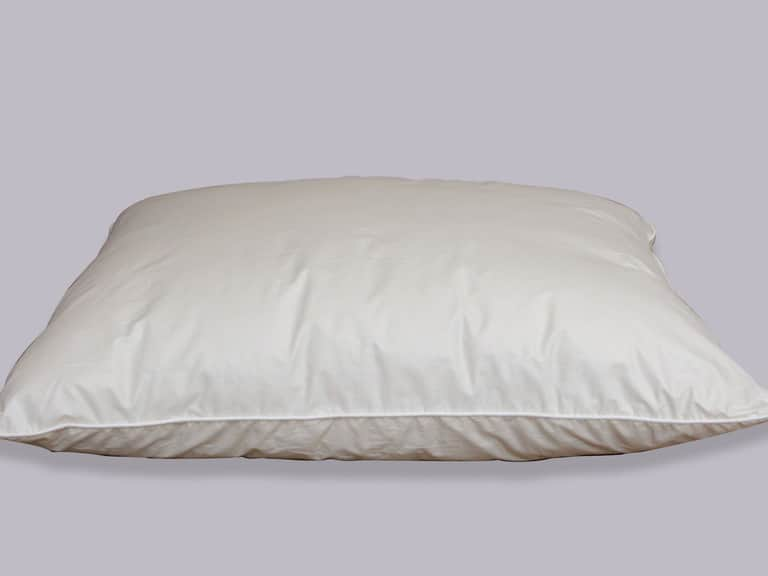
Wool, a natural fiber valued for warmth, softness, and temperature regulation, offers an insulating layer that helps maintain comfort across seasons. In this category, wool-based products emphasize breathability, moisture management, and durability, making them suitable for bedding systems that aim to balance coziness with functional performance. The material's inherent elasticity supports long-lasting loft and shape retention over time.
Wool fibers naturally wick away moisture, providing a breathable barrier that helps regulate body temperature during sleep. This fiber's microstructure traps air, delivering insulation without overheating. For bedding, wool contributes to a comfortable sleep environment by promoting dryness and reducing nighttime humidity, which can support overall sleep quality.
Key wool products in this category include Alpaca and Wool Pillows, which blend natural wool with alpaca fibers for enhanced softness and resilience. Features often include moisture-wicking covers, removable and washable components, and fill power that supports proper alignment of the head, neck, and spine for restful rest.
Memory foam pillows are commonly paired with wool materials to offer a supportive base with breathable coverage. The combination aims to deliver targeted neck support while maintaining air circulation, reducing heat buildup. This synergy can accommodate varying sleep preferences, from side to back sleepers, by providing stable cranial support with seasonal comfort.
When considering organic or natural bedding foundations, wool plays a crucial role in aligning comfort with sustainability. Its low chemical exposure and biodegradability contribute to eco-conscious sleep setups, while its durability supports long-term use. Relevant keywords include bedding, pillows, memory foam pillows, sheets, and organic mattresses as part of a holistic approach to restful sleep.
 Bedding