Innerspring mattresses use a system of metal coils to support the body during sleep. Their responsive feel, familiar structure, and airflow between the springs distinguish them from all-foam designs. Understanding coil construction and comfort layers can help explain how an innerspring mattress contributes to a supportive and comfortable sleep surface.
Coils may be connected or individually wrapped, affecting how motion travels across the mattress and how closely it adapts to different areas of the body. Padding above the spring unit can add cushioning, while the coil system provides underlying support. These features influence firmness, responsiveness, durability, and overall sleeping comfort.
The Royal-Pedic Natural Cotton Mattress with Wool Wrap is an example of an innerspring mattress incorporating natural materials. Its cotton upholstery and wool wrap provide cushioning and a breathable surface, while the spring support system contributes responsive support. These materials and construction features are relevant to people considering natural-fiber bedding options.
Mattress comfort also depends on how the sleep surface works with other bedding. Pillows, including memory foam pillows, can support head and neck alignment, while sheets affect surface feel and temperature. People comparing innerspring mattresses may also consider organic mattresses, natural materials, and their preferences for a cooler or more cushioned sleep environment.
When evaluating an innerspring mattress, consider coil design, cushioning materials, firmness, and how you usually sleep. Personal comfort needs vary, so factors such as body weight, sleeping position, and sensitivity to movement can influence suitability. Reviewing these characteristics helps clarify how a mattress may function within a complete bedding setup.
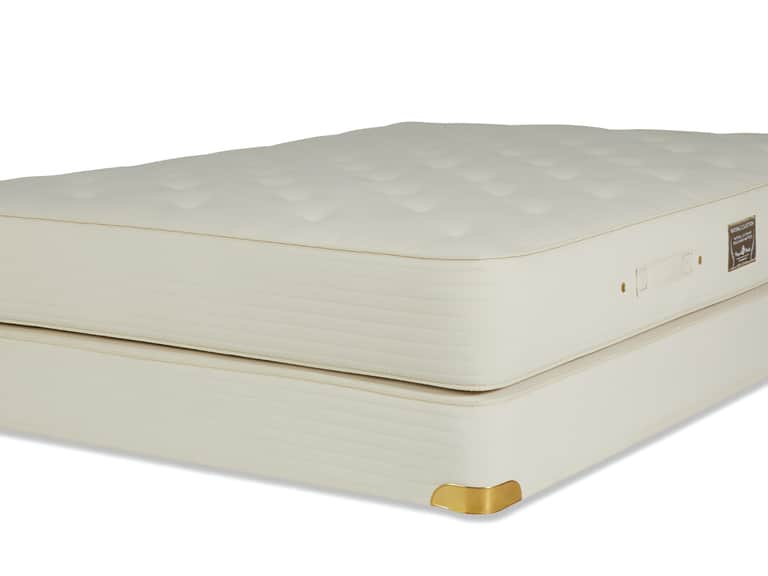 Innerspring Mattresses